
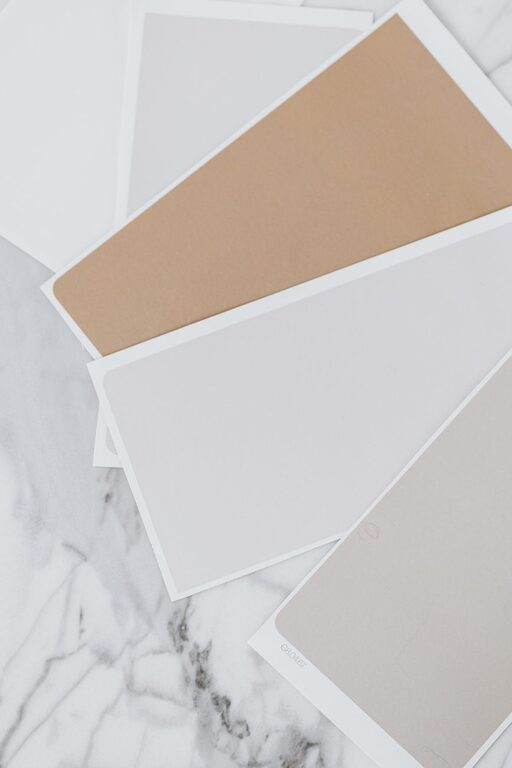
Bringing calmness into your home starts with choosing the right colors. Calm colors can create a soothing, peaceful environment that helps you unwind and feel at ease. Whether you’re repainting a room or decorating a new space, selecting calming colors is an essential step in creating a tranquil home atmosphere. Here are some helpful tips to guide you through the process.
Why Choose Calm Colors?
Calm colors are known to have a relaxing effect on the mind and body. They help reduce stress, promote restful sleep, and create a cozy environment. These colors typically include soft neutrals, pastels, and muted tones that are easy on the eyes and blend well with a variety of design styles.
Popular Calm Color Choices for Your Home
1. Soft Blues
Soft blue shades evoke feelings of serenity and peace, similar to looking at the sky or ocean. Light blues work well in bedrooms and bathrooms, helping to create a restful ambiance.
2. Gentle Greens
Green is associated with nature and renewal. Subtle greens, like sage or mint, add a fresh yet calming vibe to living rooms or kitchens.
3. Warm Neutrals
Warm neutrals such as beige, taupe, or soft greys provide a grounded and cozy backdrop. These colors are versatile and pair nicely with both bright and muted accents.
4. Muted Lavenders and Purples
Muted versions of lavender or lilac can introduce a soft touch of color without overwhelming the space. These shades are perfect for bedrooms or reading nooks.
Tips for Choosing the Right Calm Colors
Understand the Mood You Want to Create
Think about how you want to feel in a room. For example, if your goal is relaxation, cool colors like blues and greens are ideal. If you want a warm, inviting space, consider soft neutrals or muted earth tones.
Test Colors in Natural Light
Colors can look very different depending on the lighting. Before making your final choice, test paint samples on your walls and observe how they look at different times of the day.
Use Color Combinations
Pair calm colors with complementary shades to add depth and interest. For instance, soft blue with warm beige or gentle green with light grey.
Keep it Simple
Avoid overly bright or bold colors if you’re aiming for calmness. Stick to subtle shades and avoid too many contrasting colors in one room.
Consider Texture and Finish
Matte or eggshell finishes tend to enhance calmness by diffusing light softly. Glossy or shiny finishes may create reflections that can be distracting.
Coordinate with Your Existing Decor
Make sure your chosen calm colors work well with your furniture, flooring, and accessories. Cohesiveness in the color palette helps maintain a serene environment.
Incorporate Nature-Inspired Colors
Colors drawn from nature often have a calming effect. Think tones inspired by sand, stone, leaves, or water for a balanced and natural look.
How to Apply Calm Colors in Different Rooms
Living Room
Choose soft, warm neutrals or gentle greens to create a welcoming space. Add textured cushions and curtains in matching tones for added comfort.
Bedroom
Opt for serene blues or muted purples to promote restful sleep. Layer bedding and rugs in coordinating pastel tones for a cozy feel.
Kitchen
Light greens or soft greys work well in kitchens to keep the atmosphere fresh and clean without being too stark.
Bathroom
Soft blues and light neutrals create a spa-like environment that’s perfect for relaxation.
Workspace
Calm colors here can improve focus without being dull. Consider muted greens or light greys paired with natural wood accents.
Final Thoughts
Choosing calm colors for your home is a wonderful way to create a peaceful retreat from the busy world outside. By understanding your mood goals, testing colors in natural light, and coordinating with your existing decor, you can pick the perfect shades that promote calmness and comfort. Remember, the best colors are the ones that make you feel relaxed and happy every time you step into the room.
Take your time with color selection, and don’t be afraid to incorporate gentle hues throughout your home to enjoy the benefits of a calm and inviting space.
About the Author