
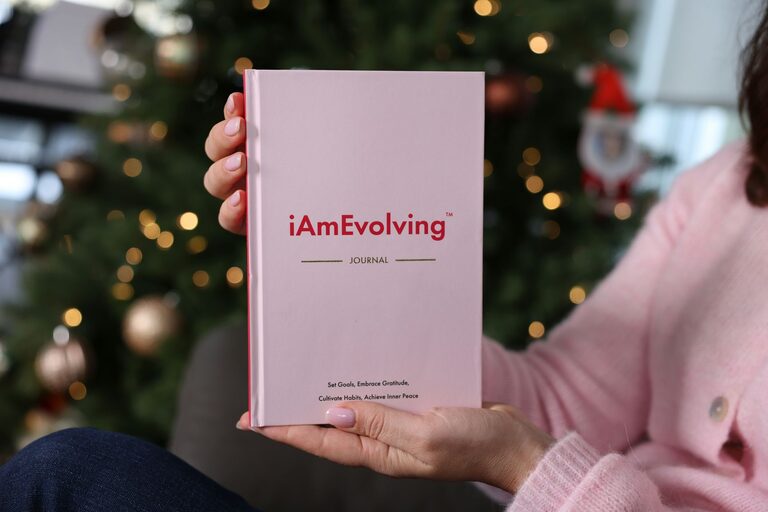
Starting a gratitude journal is a wonderful way to bring more positivity into your life and focus on the things that truly matter. Many people find that taking just a few minutes each day to reflect on what they are thankful for can improve mood, reduce stress, and enhance overall well-being. If you’re new to gratitude journaling, this guide will help you get started with practical tips and ideas.
What is a Gratitude Journal?
A gratitude journal is a personal journal where you regularly write down things you feel thankful for. Unlike a diary that records daily events, a gratitude journal focuses specifically on positive experiences, moments, or people that bring joy or meaning to your life.
Keeping a gratitude journal trains your brain to recognize and remember good things, even during challenging times. It helps you develop a habit of appreciation and encourages mindfulness.
Benefits of Keeping a Gratitude Journal
Before diving in, it helps to understand why a gratitude journal is worth the effort. Some benefits include:
– Improved mood: Focusing on gratitude increases feelings of happiness and reduces symptoms of depression.
– Better sleep: Writing in your journal before bed may help calm your mind and improve sleep quality.
– Stronger relationships: Acknowledging the kindness of others enhances connections and empathy.
– Enhanced resilience: Recognizing positive aspects can help you cope better with stress and setbacks.
– Increased mindfulness: Being intentional about what you appreciate sharpens your awareness of the present moment.
Choosing Your Gratitude Journal
You can use any notebook, planner, or digital app to keep your gratitude journal. Here are some options to consider:
– Physical notebook: A simple lined or blank notebook dedicated to gratitude entries.
– Planner with space for notes: Many planners have daily or weekly sections that can double as gratitude pages.
– Digital apps: Apps like Day One, Journey, or even notes on your phone offer convenience and easy access.
– Printable templates: Download printable gratitude journal pages if you prefer structured prompts.
The best choice depends on your personal preference and lifestyle. Some enjoy the tactile experience of writing by hand, while others appreciate digital convenience.
Getting Started: Step-by-Step Guide
1. Pick a Time That Works for You
Decide when you want to write in your gratitude journal. Common times include:
– Morning to set a positive tone for the day
– Evening to reflect on the day’s events
– Anytime you feel stressed or need a mood boost
Consistency is key, so choose a time you’re likely to stick with.
2. Start Small and Be Realistic
Aim to write just a few items each day. Starting with 3 things you’re grateful for is a popular and manageable approach. For example:
– “I’m grateful for the warm cup of coffee this morning.”
– “I appreciated a kind message from a friend.”
– “I enjoyed a walk in the fresh air.”
There’s no need to write long paragraphs; simple sentences work perfectly.
3. Focus on Specific Details
Try to be specific rather than vague. Instead of writing “I’m grateful for my family,” you might say, “I’m grateful for the fun conversation I had with my sister today.” This helps deepen your awareness and appreciation.
4. Mix It Up
While routine is helpful, keep your gratitude journaling fresh by varying what you write about. Consider categories like:
– People in your life
– Personal strengths or achievements
– Enjoyable activities or hobbies
– Nature and surroundings
– Small daily comforts or surprises
5. Use Prompts if You’re Stuck
If you find it hard to think of things to write, prompts can be helpful. Here are some to try:
– What made you smile today?
– Name three things you often take for granted.
– What is something beautiful you saw recently?
– Who has helped you lately, and how?
– What is a recent lesson you’re thankful to have learned?
6. Reflect on Your Entries Regularly
Every once in a while, reread your gratitude journal entries. This can remind you of positive moments and reinforce your gratitude habit. It may also inspire new insights or goals for yourself.
Additional Tips for Success
– Create a cozy journaling spot: Having a dedicated space can make the practice more inviting.
– Be honest: Your gratitude journal is your private space—embrace genuine thoughts and feelings.
– Avoid comparisons: Focus on your own experiences rather than comparing yourself to others.
– Use color or drawings: Some people like to add doodles, stickers, or colored pens for creativity.
– Combine with other habits: Pair gratitude journaling with meditation, affirmations, or deep breathing for a holistic routine.
What to Do If You Miss a Day
Don’t worry if you miss a day or two—gratitude journaling is meant to support you, not add pressure. Simply pick it up again when you can. The goal is progress, not perfection.
Final Thoughts
Starting a gratitude journal is a simple, accessible way to enhance your happiness and well-being. By dedicating just a few minutes each day to reflect on the good in your life, you nurture a more positive mindset and greater resilience. Remember, there’s no right or wrong way to do it—just begin with what feels comfortable and meaningful to you.
Give it a try today and see how a gratitude journal can brighten your outlook, one small entry at a time. Happy journaling!
About the Author