Stretching is a simple yet powerful practice that can enhance your physical health and well-being. Whether you want to reduce muscle tension, improve your range of motion, or simply feel more relaxed, incorporating stretching into your daily routine is a great way to start. The best part? You don’t need any special equipment or a gym membership to get going. This beginner’s guide will walk you through the basics of stretching at home, including benefits, tips, and easy routines you can try today.
Why Stretching Matters
Stretching helps prepare your muscles and joints for movement, improves circulation, and can even reduce stress. Regular stretching may also decrease the risk of injury and enhance athletic performance. For beginners, it’s important to know that stretching should be gentle and controlled; overstretching can cause discomfort or injury.
Key Benefits of Stretching
– Improves flexibility and range of motion
– Reduces muscle stiffness and soreness
– Enhances blood flow to muscles
– Promotes better posture
– Helps relieve stress and tension
– Supports overall mobility and balance
Getting Started: What You Need
One of the great things about stretching is that it requires minimal equipment. All you need is:
– A comfortable, quiet space to move freely
– A yoga mat or soft surface (optional but helpful)
– Comfortable clothing that allows you to stretch easily
– A timer or clock to keep track of your routine
Basic Stretching Guidelines for Beginners
Before you start stretching, keep these simple tips in mind:
– Warm up first: Stretching cold muscles can lead to strain. Warm up with light activity for 5-10 minutes, such as walking or marching in place.
– Move slowly: Ease into each stretch gently without bouncing or jerking.
– Hold steady: Aim to hold each stretch for 15 to 30 seconds, breathing deeply throughout.
– Feel the stretch, not pain: Mild tension is normal, but sharp discomfort means stop and adjust.
– Breathe naturally: Avoid holding your breath; steady breathing helps relaxation.
– Stretch both sides: Make sure to work on both sides of your body evenly.
– Be consistent: Stretch regularly, ideally daily or at least 3-4 times per week, for the best results.
Simple Stretching Routine for Beginners
Here’s a gentle full-body stretching routine you can do at home in about 10-15 minutes.
1. Neck Stretch
– Sit or stand tall.
– Slowly tilt your head toward your right shoulder until you feel a gentle stretch on the left side of your neck.
– Hold for 20 seconds, then switch sides.
2. Shoulder Rolls
– Stand with your feet hip-width apart.
– Roll your shoulders forward in a circular motion 10 times.
– Reverse the direction and roll them backward 10 times.
3. Chest Stretch
– Stand with feet shoulder-width apart.
– Clasp your hands behind your back and straighten your arms.
– Gently lift your hands upward and open your chest.
– Hold for 20-30 seconds.
4. Side Stretch
– Stand tall with feet shoulder-width apart.
– Raise your right arm overhead.
– Lean your torso gently to the left side, feeling a stretch along your right side body.
– Hold for 20 seconds and switch sides.
5. Seated Hamstring Stretch
– Sit on the floor with legs extended straight ahead.
– Slowly reach your hands toward your toes while keeping your back straight.
– Stop when you feel a stretch in the back of your thighs.
– Hold for 30 seconds.
6. Quadriceps Stretch
– Stand on your left leg, using a wall or chair for balance if needed.
– Bend your right knee and bring your heel toward your buttocks.
– Grab your ankle with your right hand and gently pull.
– Hold for 20-30 seconds, then switch legs.
7. Calf Stretch
– Stand facing a wall.
– Place your hands on the wall at shoulder height.
– Step your right foot back, keeping it flat on the floor.
– Lean forward slightly until you feel a stretch in your right calf.
– Hold for 20 seconds, then switch legs.
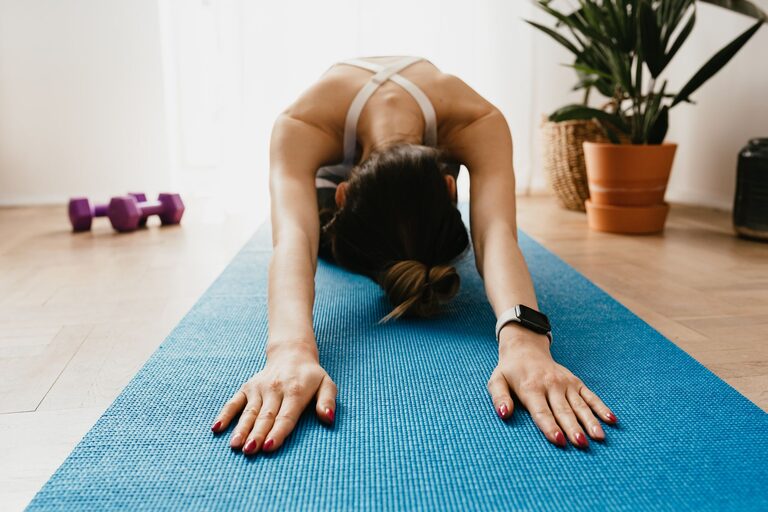
8. Lower Back Stretch (Child’s Pose)
– Kneel on the floor, sit back on your heels, and extend your arms forward on the floor.
– Lower your torso toward the ground, stretching your back.
– Hold for 30 seconds while breathing deeply.
Tips for Making Stretching a Habit
– Set a regular time: Try stretching first thing in the morning, during breaks, or before bed.
– Use reminders: Set alarms or calendar alerts to keep you on track.
– Combine with other activities: Stretch after walking, exercising, or even after work.
– Make it enjoyable: Play calming music or practice in a peaceful environment.
– Track your progress: Notice improvements in flexibility and how your body feels.
When to Be Cautious
If you have any existing injuries, health conditions, or concerns, consult a healthcare professional before starting new stretching exercises. Avoid pushing through sharp pain or discomfort and modify poses as needed.
Final Thoughts
Stretching is a gentle and effective way to support your body’s health while promoting relaxation and mobility. By starting with simple stretches at home, you’ll build a foundation of flexibility that can improve your daily comfort and movement. Remember to be patient and consistent, and enjoy the benefits of this easy wellness practice.
Happy stretching!
About the Author