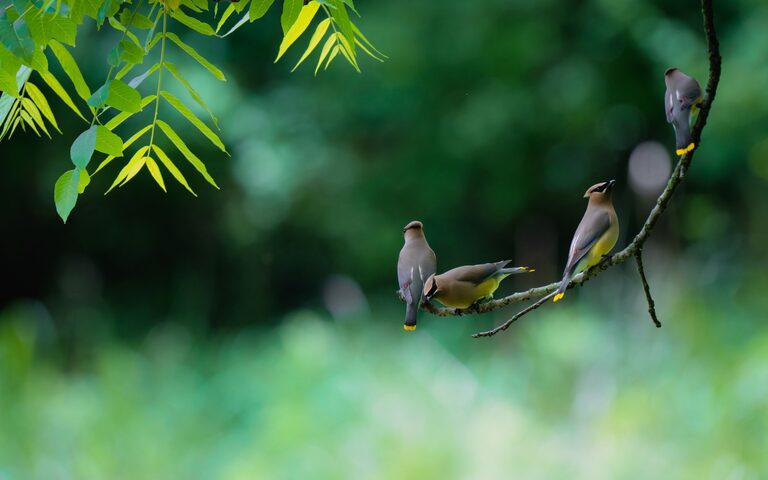
Birdwatching is a rewarding and relaxing hobby that lets you connect with nature right in your own backyard. Whether you have a small garden or a spacious yard, observing birds can bring joy, calm, and curiosity to your daily routine. If you’re new to birdwatching, this guide offers beginner-friendly tips to help you get started and make the most of your birdwatching experience.
Why Backyard Birdwatching?
Starting birdwatching at home is easy and accessible. You don’t need special gear or a long trip to enjoy the variety of birds visiting your neighborhood. Birdwatching at home:
– Encourages mindfulness and observation skills
– Supports local wildlife by providing food and shelter
– Offers entertainment for all ages
– Connects you with nature in a busy world
Setting Up Your Backyard for Birdwatching
Before you start, consider how your space can attract different bird species. Here are some key elements to create a welcoming environment.
1. Choose the Right Bird Feeders
Bird feeders are a simple way to attract birds. Selecting the right type and food can bring more visitors to your yard.
– Hopper feeders: Good for many seed types and attract sparrows, finches, and cardinals.
– Tube feeders: Ideal for small seeds and attract chickadees, nuthatches, and titmice.
– Suet feeders: Offer high-energy food for woodpeckers, wrens, and insect-eaters.
– Platform feeders: Versatile and attract a wide range of birds, but may also invite squirrels.
2. Use the Proper Bird Food
Different birds prefer different foods. Offering a variety ensures more species will visit.
– Black oil sunflower seeds – popular with many songbirds.
– Nyjer (thistle) seeds – loved by finches.
– Suet cakes – provide fat and protein.
– Peanuts (unsalted and shelled) – attract jays and woodpeckers.
– Fruit slices – favored by orioles and mockingbirds.
3. Provide Fresh Water Sources
Birds need water for drinking and bathing. A birdbath can attract birds even when feeders are empty.
– Use a shallow basin with clean water.
– Change water regularly to prevent algae and mosquitoes.
– Place the birdbath near trees or shrubs for cover.
4. Add Natural Shelter and Nesting Spots
Birds look for safe places to rest and raise their young.
– Plant native trees and shrubs.
– Leave some leaf litter and dead wood for insects.
– Install birdhouses matching the species you want to attract.
Birdwatching Essentials for Beginners
Once your backyard is set up, these tools and habits can enhance your birdwatching experience.
1. Get a Pair of Binoculars
A good pair of binoculars helps you see details without disturbing the birds.
– Look for lightweight, compact models with 8x or 10x magnification.
– Practice holding and focusing before heading outdoors.
2. Use a Field Guide or App
Identifying birds is part of the fun. Use a book or smartphone app to learn their names, behaviors, and calls.
– Choose guides with clear photos and simple descriptions.
– Apps like Merlin Bird ID can help with quick identification.
3. Take Notes or Keep a Bird Journal
Recording your sightings improves your skills and lets you track patterns over time.
– Note the species, date, time, weather, and behaviors.
– Sketch or photograph birds for reference.
4. Be Patient and Observant
Birds may visit sporadically, so it’s important to watch quietly and wait.
– Find a comfortable spot and minimize sudden movements.
– Observe how birds interact with each other and their environment.
Common Backyard Birds to Look For
Depending on your region, local birds may vary. However, many species are commonly seen in suburban backyards:
– American Robin
– Northern Cardinal
– Blue Jay
– House Finch
– Mourning Dove
– Black-capped Chickadee
– Downy Woodpecker
– Goldfinch
Spotting these familiar birds helps build confidence before exploring less common species.
Helpful Tips to Enhance Your Experience
– Feed consistently: Birds learn your schedule and are more likely to visit regularly.
– Keep feeders clean: Wash feeders every two weeks to prevent disease.
– Avoid using pesticides: Chemicals can harm birds and reduce their food supply.
– Limit window collisions: Place feeders either very close (less than 3 feet) or far (over 30 feet) from windows, or use decals to reduce reflections.
– Enjoy all seasons: Winter and migration seasons offer unique birdwatching opportunities.
Conclusion
Backyard birdwatching is a delightful way to explore the natural world while staying close to home. With a bit of preparation, patience, and curiosity, you can attract a variety of birds and enjoy hours of fascinating observation. Remember that every backyard is unique — experimenting and learning will make your birdwatching journey even more rewarding.
So grab some seeds, find a cozy spot, and get ready to welcome feathered friends into your outdoor space! Happy birdwatching!
About the Author