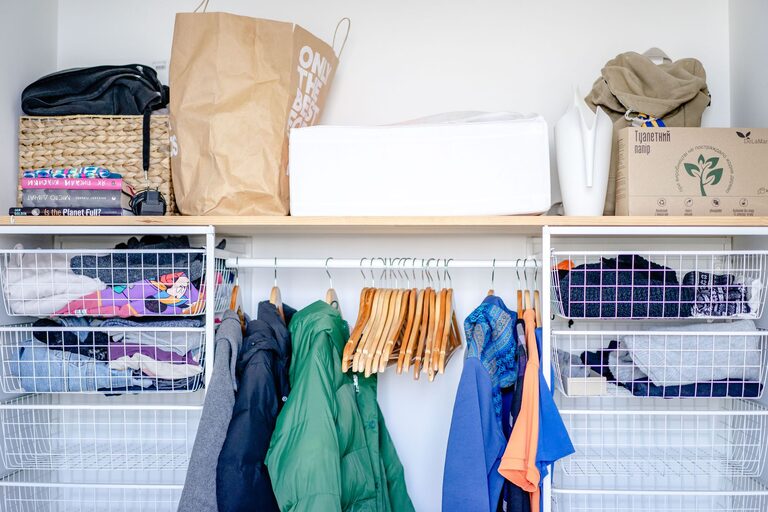
Storing seasonal clothes efficiently is a common challenge for many people. When clothes don’t fit in your closet year-round, or you want to protect delicate items during off-seasons, having a smart storage plan can save space, reduce clutter, and keep your wardrobe in great condition.
In this post, we’ll explore practical and easy ways to store seasonal clothes efficiently, whether you have a small apartment or a spacious home. From sorting and cleaning to choosing the right containers, these tips’ll help you create a smooth system that works for you.
Why Efficient Storage Matters
Efficient clothing storage isn’t just about saving space—it also helps to:
– Protect fabrics from dust, moisture, and pests
– Prevent wrinkles and damage
– Make it easier to find what you need when the seasons change
– Extend the lifespan of your clothes
With that in mind, let’s dive into the steps to organize and store your seasonal clothes effectively.
Step 1: Sort and Declutter Your Clothes
Before packing away your seasonal clothing, start by sorting through them. This step is essential for:
– Identifying items you no longer wear or need
– Grouping similar items together for easier storage and retrieval
– Checking for stains or damages that need repair
How to Sort
– Take out all seasonal clothes to a clean, well-lit area.
– Separate them into piles: keep, donate, repair, or discard.
– Focus on quality over quantity—keeping only what you truly wear or love.
Step 2: Clean Everything Before Storing
Clean clothes attract fewer pests and are less likely to develop odors while in storage.
Cleaning Tips
– Wash or dry clean all items according to their care labels.
– Make sure clothes are completely dry to prevent mold and mildew.
– Consider using gentle detergents and fabric-safe treatments to protect delicate fabrics.
Step 3: Choose the Right Storage Containers
Selecting proper storage containers is key to protecting your clothes and optimizing space.
Container Options
– Plastic bins with lids: Great for keeping out moisture and pests; clear bins let you see what’s inside.
– Vacuum storage bags: Ideal for bulky items like winter coats and sweaters; compress clothes to save space.
– Fabric storage bags: Breathable option for delicate fabrics; avoids trapping moisture.
– Under-bed storage boxes: Make use of space that’s often overlooked.
Tips for Choosing Containers
– Avoid cardboard boxes—they can attract pests and absorb moisture.
– Make sure containers are clean and dry before packing.
– Label each container clearly with its contents and season.
Step 4: Pack Clothes Properly
How you pack your clothes can affect their condition when you take them out.
Packing Tips
– Fold clothes neatly to avoid creases.
– Use acid-free tissue paper between delicate or easily wrinkled items.
– For hanging clothes like coats or dresses, consider garment bags.
– Place heavier items at the bottom of containers, lighter ones on top.
Step 5: Store Clothes in a Suitable Location
Where you store your seasonal clothes can make a big difference.
Ideal Storage Locations
– A cool, dry, and dark area is best to prevent damage from heat, humidity, and sunlight.
– Avoid basements or attics if they tend to be damp or have extreme temperatures.
– If possible, elevate containers off the floor to reduce moisture risk.
Step 6: Add Natural Protection
To keep your clothes fresh and safe from pests:
– Use natural repellents like cedar blocks or lavender sachets inside storage bins.
– Avoid mothballs, which contain chemicals and strong odors.
– Check storage areas periodically to ensure clothes remain in good condition.
Step 7: Create an Easy Access System
When it’s time to swap out your seasonal wardrobe, you want to find what you need quickly.
Organizing Tips
– Arrange storage containers by season and type (e.g., winter sweaters, summer dresses).
– Keep an inventory list of what’s stored and where.
– Store frequently used items in accessible places.
Bonus Tips for Small Spaces
– Use multi-functional furniture with built-in storage.
– Hang seasonal clothes in a portable garment rack that can be rolled away.
– Use vacuum bags to free up closet or drawer space.
—
Efficiently storing your seasonal clothes might take a little effort upfront, but it pays off by keeping your wardrobe organized, clothes protected, and your living space clutter-free. With these steps, you’ll be ready for any season, enjoying your favorite outfits whenever you need them.
Happy organizing!
About the Author